Tarot learning library
Tarot card meanings and free readings, clearly explained
Explore the meanings of all 78 tarot cards, clearly explained in plain language, then draw your own cards in a free tarot reading.
What is tarot?
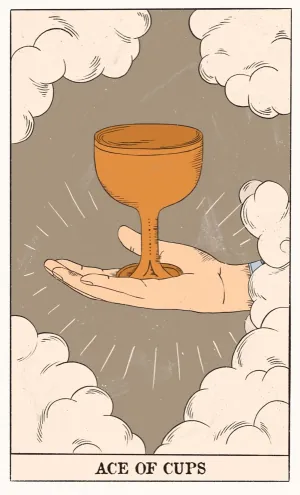
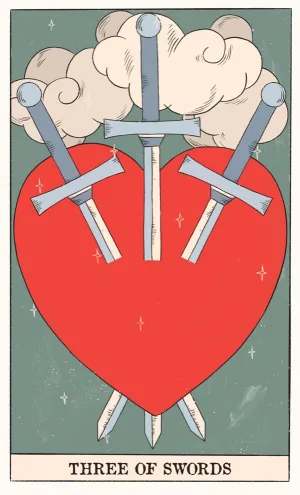
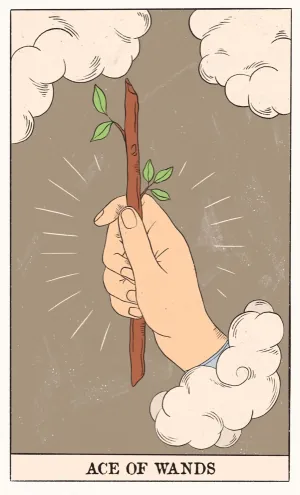
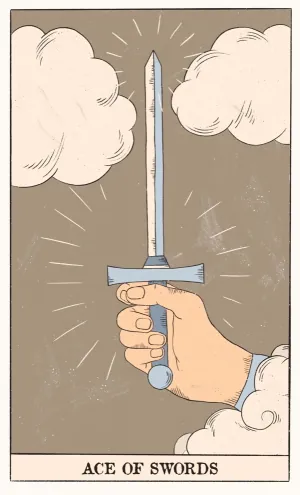
Tarot is a deck of 78 cards used for reflection and storytelling. It has two parts. The 22 Major Arcana cards, such as The Fool and The Tower, describe large themes and turning points. The 56 Minor Arcana cards describe everyday situations and are split into four suits: Wands, Cups, Swords, and Pentacles.
Tarovaya uses a 78-card deck illustrated by Julia Dreams. The library focuses on the card’s themes and on questions that support thoughtful reflection.
How Tarovaya reads the cards
Each card page explains the upright and reversed meaning, what the card can suggest about love, career, and money, and how to treat it in a yes or no question. Every page starts with a short answer, then gives detail. Each card has its own voice. It can help you notice a pattern, see your situation more clearly, or ask a better question.
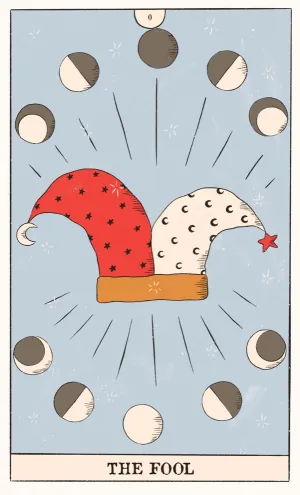
The Fool asks you to meet a new beginning with curiosity, basic preparation, and attention to what you do not know yet.
Free tarot readings
All three tarot readings on Tarovaya are free, need no sign-up, and run in your browser. Nothing you draw is stored.
- Daily tarot card One card each day, the same for everyone, as a short prompt to carry through the day.
- Yes or no tarot One card for a direct question, read as a leaning rather than a final answer.
- Three-card tarot reading Past, present, and possible direction, read together as one story.
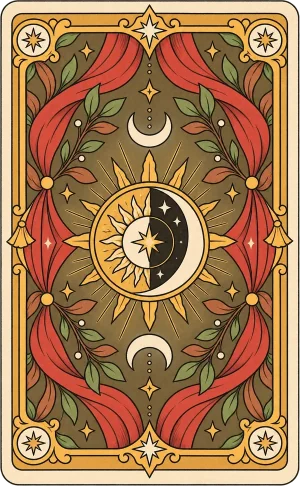
Every card you draw links to its full meaning, so a reading never ends with a card name and nothing else.
Major Arcana card meanings at a glance
The 22 Major Arcana cards carry the largest themes in the deck. Here is each card's meaning in brief. Open any card for the upright and reversed meaning, love, career, money, and yes or no.
- 0The Fool
- The Fool asks you to meet a new beginning with curiosity, basic preparation, and attention to what you do not know yet.
- IThe Magician
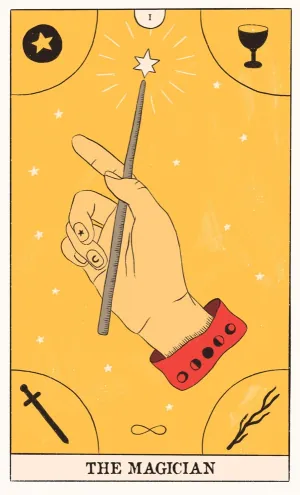
- The Magician is about agency and focused skill: using the tools you already have to turn an idea into something real, one clear step at a time.
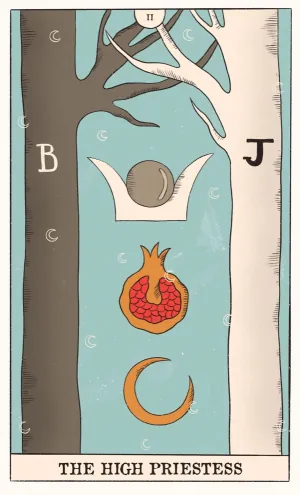
- IIThe High Priestess
- The High Priestess considers quiet observation, patient inquiry, and hidden context.
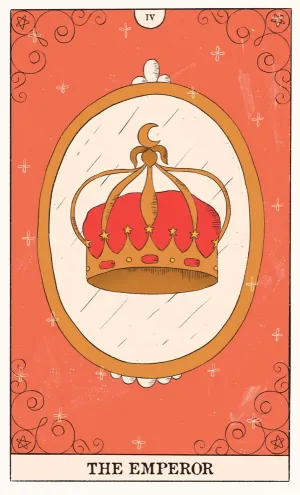
- IVThe Emperor
- The Emperor speaks to structure, responsibility, and boundaries: the steady rules and protection that help you and others feel secure.
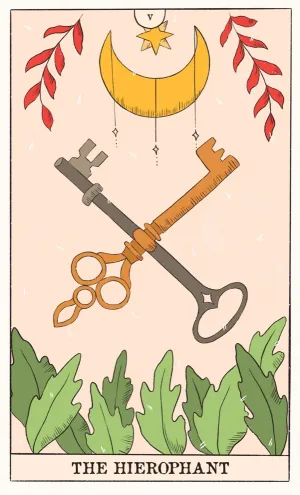
- VThe Hierophant
- The Hierophant concerns tradition, shared learning, and mentorship: what a teacher, a group, or a tested way of doing things can offer you.
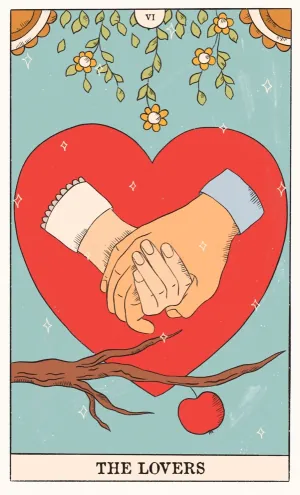
- VIThe Lovers
- The Lovers connects relationship with choice, asking whether your actions match your values and whether consent and honesty are present.
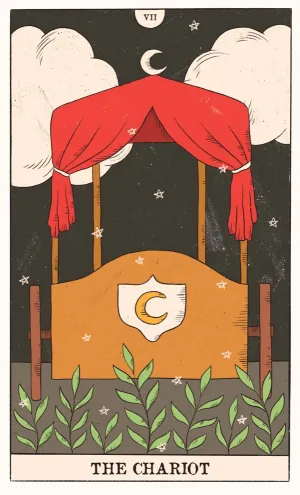
- VIIThe Chariot
- The Chariot is about direction and discipline: choosing where you are going and getting the pulls inside you to work together.
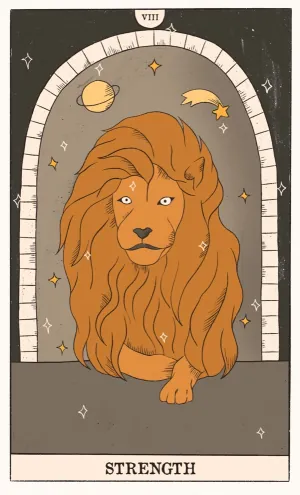
- VIIIStrength
- Strength asks for patient courage: steady compassion and self-command that guide a strong feeling instead of forcing it down.
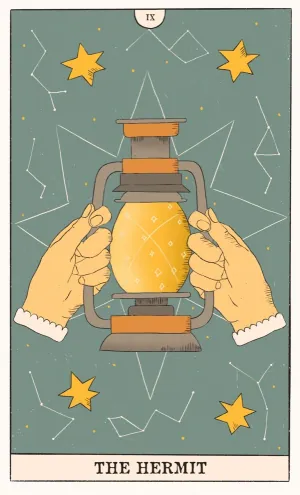
- IXThe Hermit
- The Hermit points to solitude and careful search: stepping back from the noise to find your own answer with patience and discernment.
- XIIThe Hanged Man
- The Hanged Man explores chosen pause, changed perspective, and the difference between useful surrender and avoidable stagnation.
- XIIIDeath
- Death is the card of endings that make room for new life: release, transformation, and the clean close of a chapter.
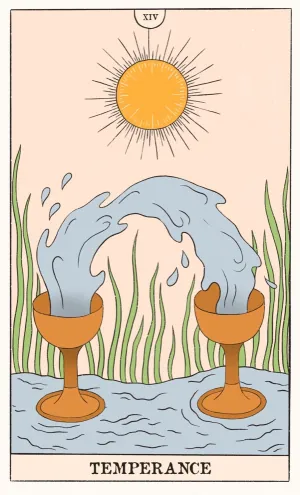
- XIVTemperance
- Temperance examines proportion, integration, and steady adjustment when different needs or resources must work together.
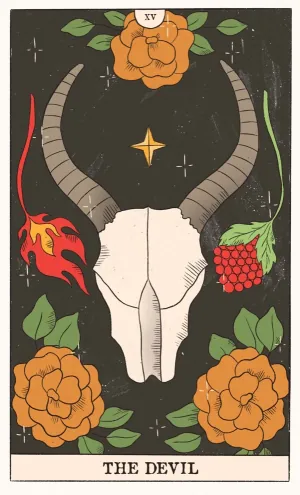
- XVThe Devil
- The Devil can point to attachment, pressure, or a habit with a cost. It does not label a person as bad or trapped forever.
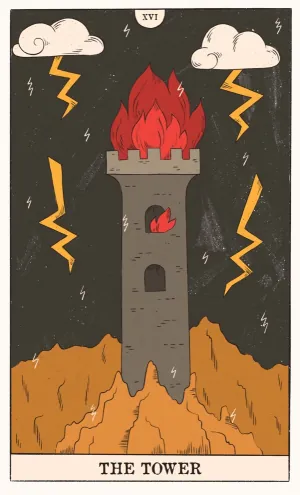
- XVIThe Tower
- The Tower is sudden change that topples what was built on a weak foundation, clearing the ground for something truer.
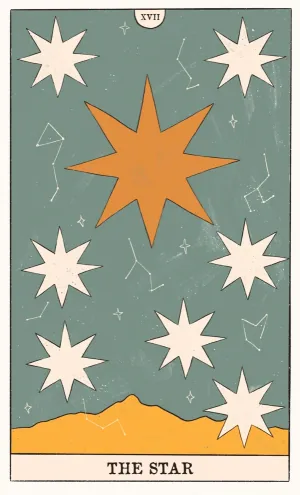
- XVIIThe Star
- The Star points toward renewal, attention, and a return to what restores you. It does not promise that circumstances will improve.
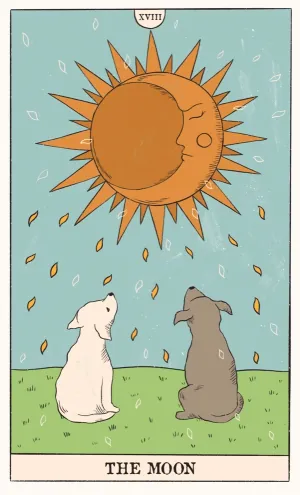
- XVIIIThe Moon
- The Moon explores uncertainty, projection, instinct, and the careful navigation of situations that are only partly visible.
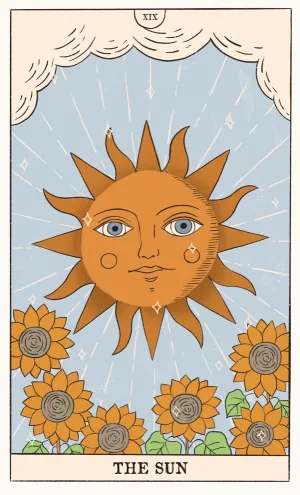
- XIXThe Sun
- The Sun considers clarity, vitality, shared joy, and the responsibilities that come with increased visibility.
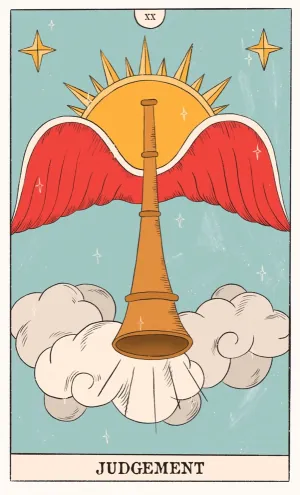
- XXJudgement
- Judgement explores honest reckoning, response to a call, and the possibility of renewal after reviewing the past.
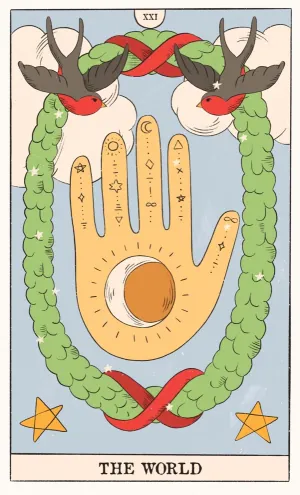
- XXIThe World
- The World can describe completion, integration, and a pause to recognize a finished cycle before a new one starts.
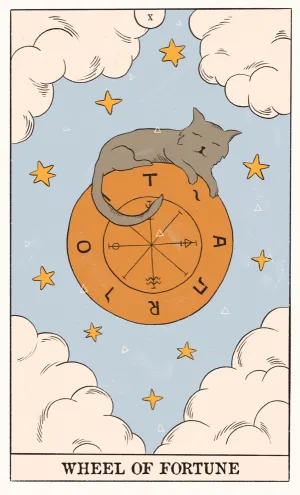
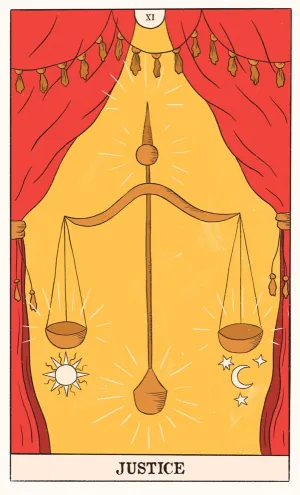
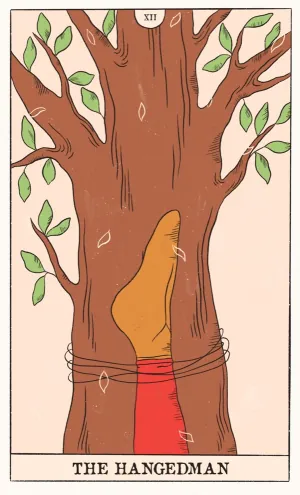
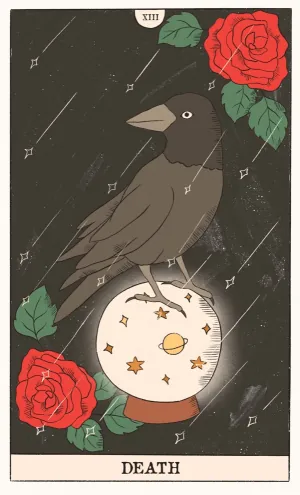
Looking for a Minor Arcana card? Browse the full list of 78 tarot card meanings.
About the deck and the writer
The card images on Tarovaya are illustrated by Julia Dreams. Use each illustration as an invitation to observe, reflect, and connect a card’s themes with the question at hand.
Card meanings and guides are written by Isolde Veyra. Read where the name Tarovaya comes from.